

What is Social Value in housing?
27.02.26

Sarah Eastham
Developers, landlords and housing managers increasingly understand that residents’ experience of where they live fundamentally affects their quality of life, their happiness, wellbeing and longevity. But they have no way of measuring how this social value is affected by the design of residents’ homes.
As architects, we encounter two main interpretations of ‘social value’ in housing. One is the RIBA Social Value Toolkit definition, which measures outcomes once a project is complete. The other appears in tender documents, where practices commit to initiatives such as volunteering, local employment, and training opportunities. While these are important, they overlook the core social value new homes can deliver: the effect of design on residents’ wellbeing.
We regularly hear feedback from residents, but we recognised the need for a systematic way to identify and measure the aspects of housing design that support social value. This led us to establish the Happy Homes Project (HHP), a two‑year Knowledge Transfer Partnership with the University of Reading, Cambridge University, and researcher Dr. Gloria Vargas Palma. The project set out to quantify ‘embodied social value’ for the first time by asking residents what they value in their homes. It also captures insights from design teams, including clients, to assess how intentionally this value was built in.
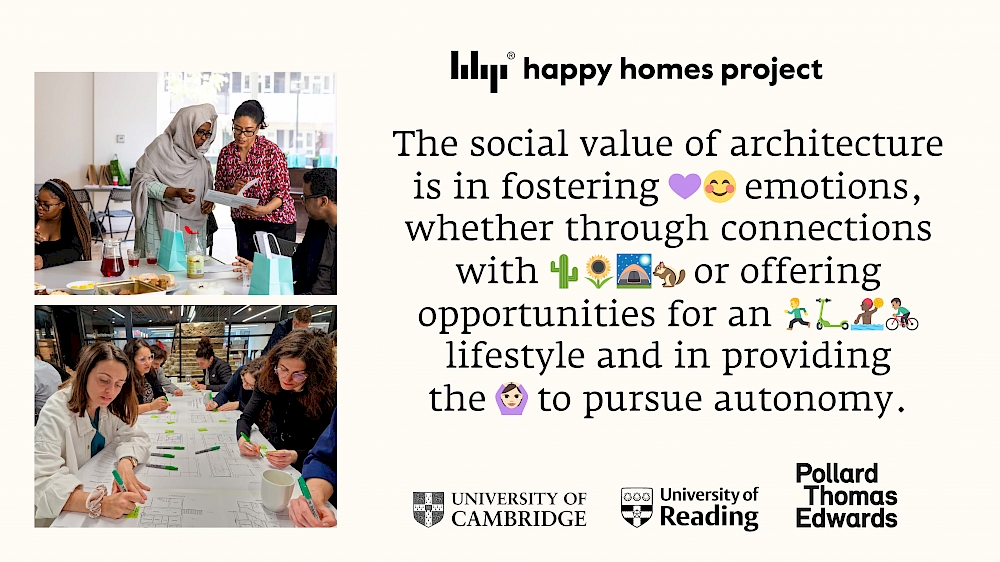
PTE has long been committed to post‑occupancy evaluation (POE), particularly around energy use, but the benefits of a well-designed home reach beyond performance metrics. A home can foster health, wellbeing, safety, confidence, resilience, pride, belonging, and quality of life. Residents are experts of their lived experience, and HHP provides a structured way to listen to them rather than rely on professional assumptions.
We recently applied the Happy Homes Toolkit at Juniper House, Walthamstow, extending the POE with an assessment across seven themes: Feeling Safe, Health & Wellbeing, Environment, Community Spirit, Options & Choices, Enjoyment, and Stewardship. Each theme is evaluated through questions, a Likert-scale scoring system, open responses, and optional photographs.
The results offered insights into how residents perceive their homes and surroundings - how features such as windows, balconies, sill heights, or ironmongery influence feelings of safety, connection, and comfort. The analysis presents graphic summaries showing which design elements perform most strongly, alongside ratings across the seven themes.
For Waltham Forest Council, the report provided a holistic, quantitative understanding of residents’ experience and building performance that will guide the ongoing management of Juniper House and shape future housing projects.
We’re now refining automated data collection and collaborating with local authorities and developers on further case studies. The goal is to build a robust database that can evolve with changing questions while maintaining integrity - a tool capable of measuring the embodied social value in the design of new and existing homes.
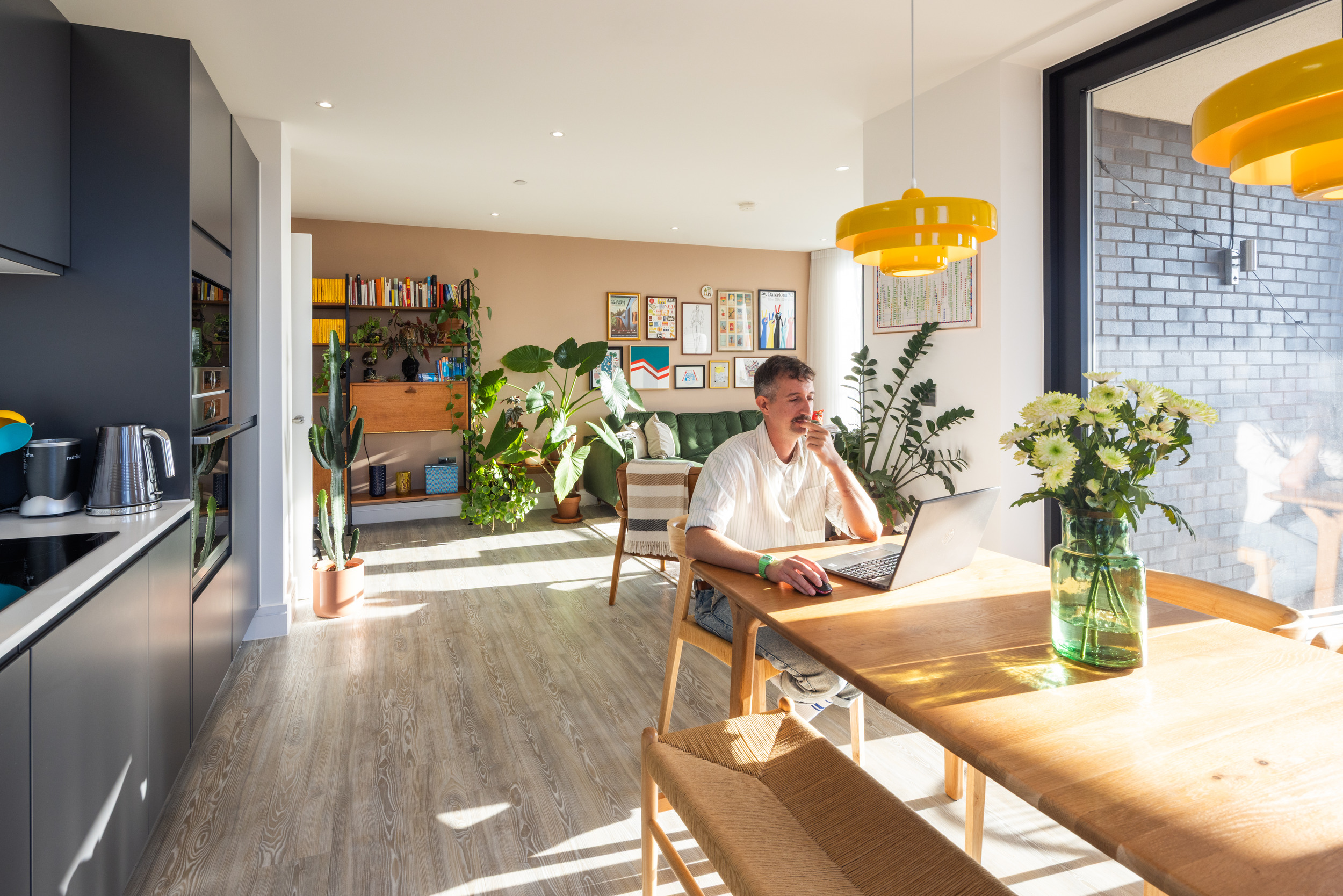
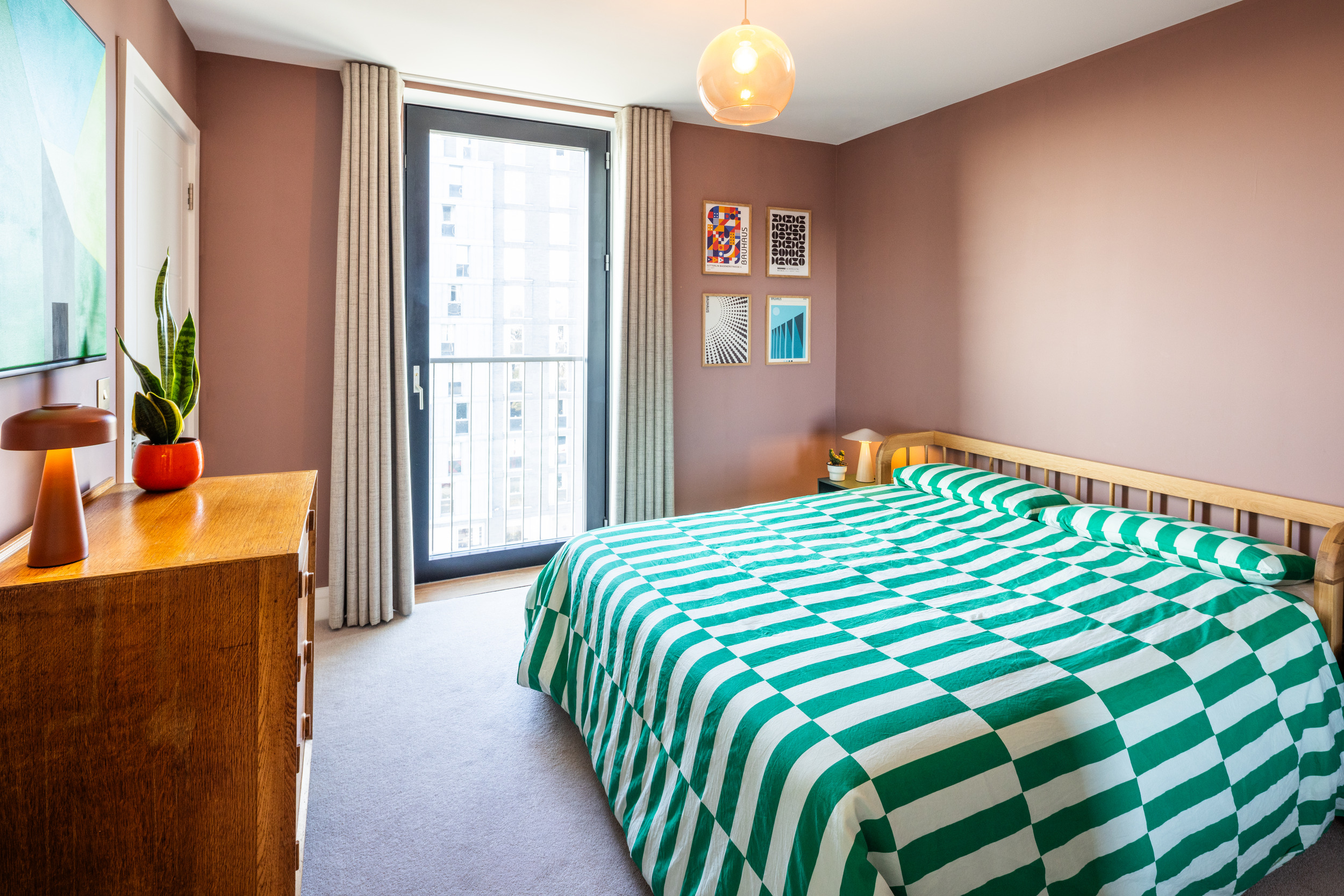
In winter I like the warmth and the light from the windows, and the views of the city skyline.