

Talking point: proof of concept
24.03.26
Rory Olcayto
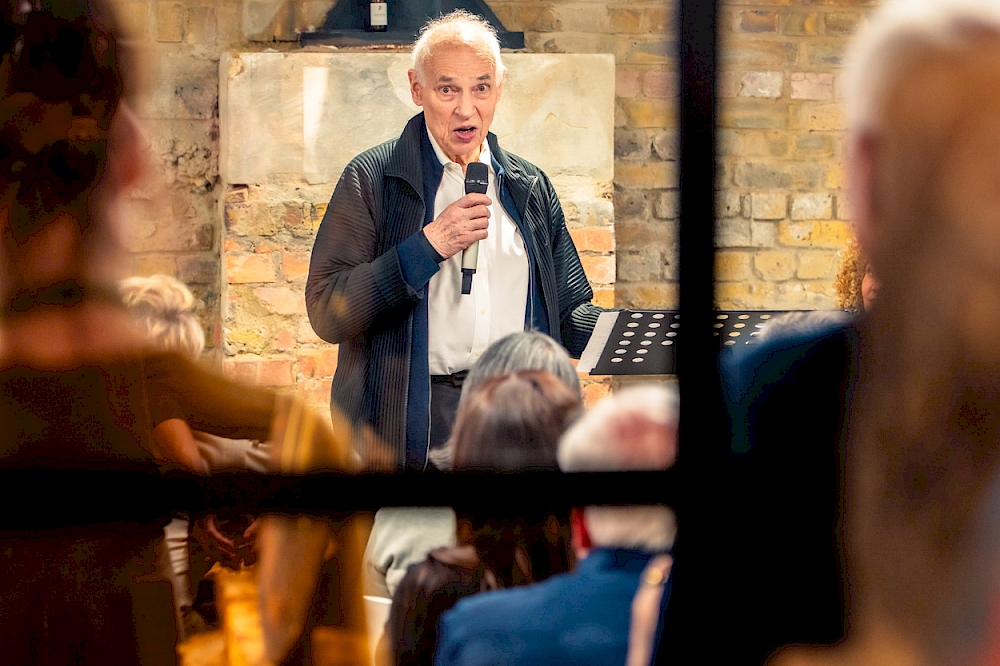
When Bill Thomas talked through PTE’s founding principles at the House of PTE book launch, it landed with real force: a practice built on home, generosity, equality, and welcome. Hearing it distilled so clearly reminded everyone why those ideas still matter in a world very much changed from the one that gave birth to the firm in 1974.
In many ways, you could argue that PTE and a handful of like‑minded practices have functioned as a buffer against the more dehumanising effects of a property sector that has steadily consolidated power over the last half‑century. But the fuller answer is more layered. From the 1970s onward, as housing shifted from public good to financial asset, the conditions under which architects worked changed profoundly. The rise of development‑led procurement, the hollowing‑out of local authority design intelligence, and the extractive logic of land value narrowed the ethical and creative space in which architecture operated. Practices like ours - co‑operative in spirit, socially literate, and embedded in long-term urban repair - found themselves having to hold the line against forces far larger than the architecture profession.
In this reshaped and ever-evolving landscape, PTE’s methods, like our commitment to designing and repairing the connective tissue of the towns, cities and places we work in, have endured: participatory processes, community‑first housing, the reuse agenda – we adopted these approaches long before it was fashionable. Kaye told me after the launch that as she listened to Bill outline PTE’s founding principles, it struck her how forcefully those ideas had persisted. Even with a thousand people passing through the practice since those early days, those unwritten 'rules’ – more like habits of practice really – have helped humanise the business of architecture, like the way co‑design naturally redistributes authorship, for example. And everyone who worked here, she said, has helped sustain and project these founding values. PTE’s staff, in fact, were ‘proof of concept’.
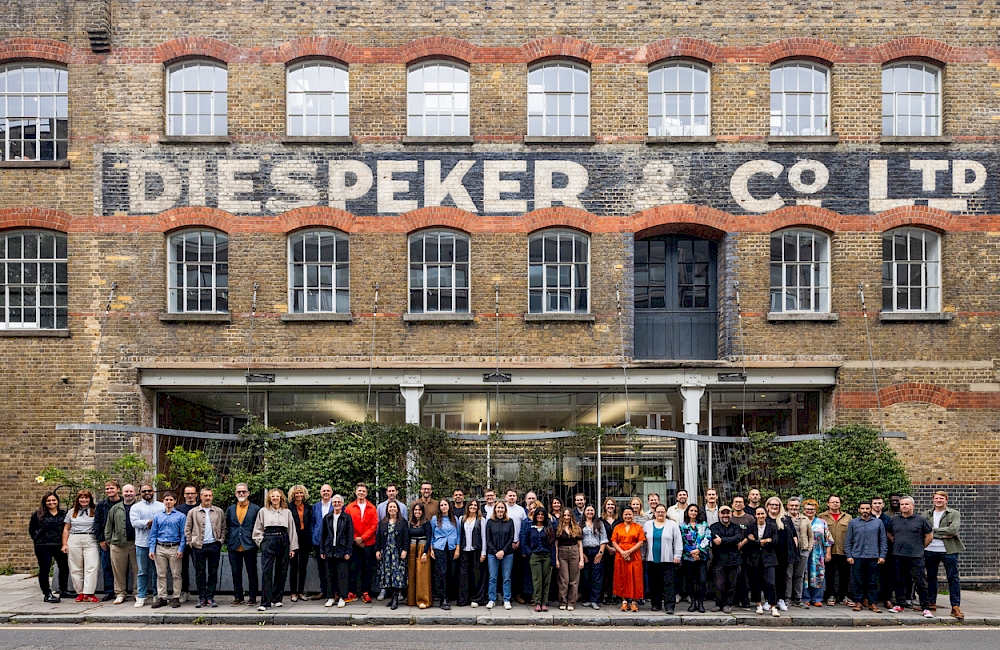
Of course, memoirs and monographs and the party chat they inspire are often strangers to criticism - and perspective. We’re well aware that our founding ideals are hardly unique. What they have done however, is stir within each of us at PTE a desire to create more humane outcomes within a system whose priorities often sit elsewhere.
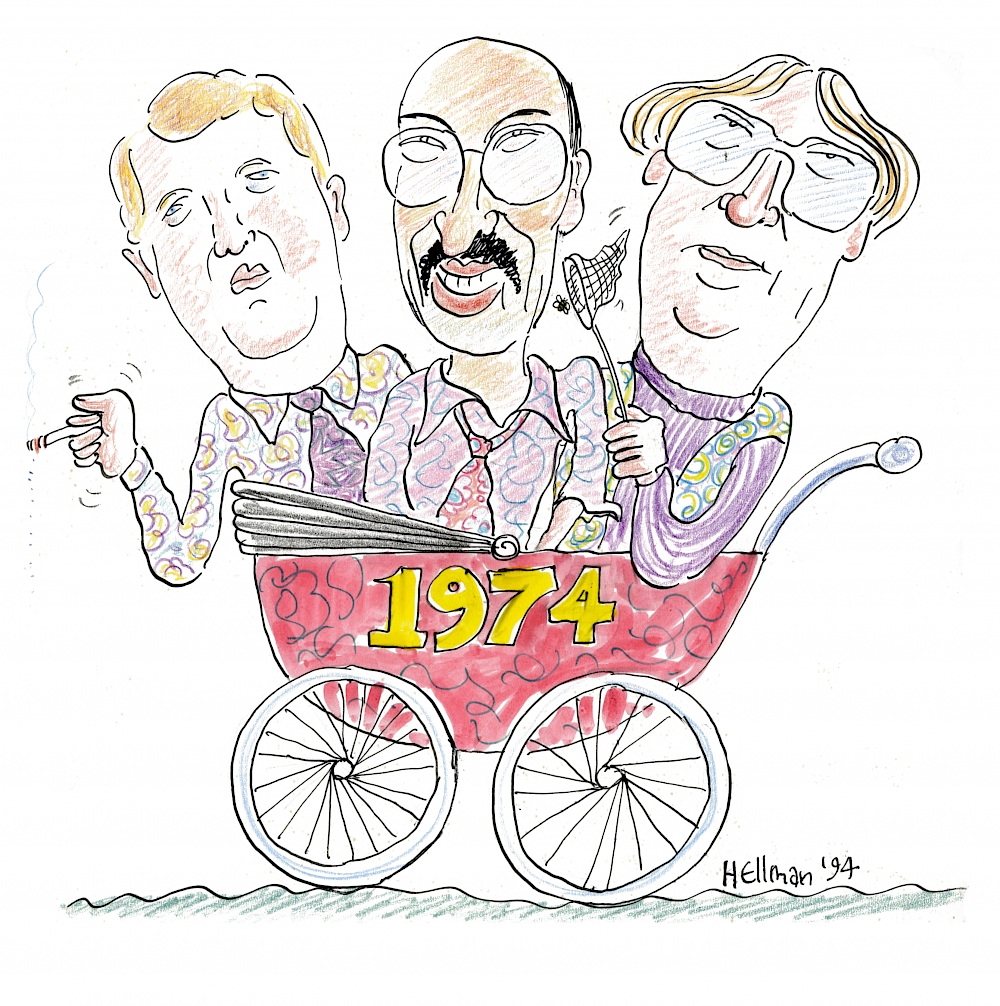
So thank you Bill, Roger and John – those ’74 ideas of yours remain heavy lifters in 2026.
Hopefully, project by project, we’re showing that architecture can still operate as an act of care. Even when the economic framework encourages something colder.