

Social Value: a measure of lived experience?
26.03.26
Sarah Eastham
From its earliest days, PTE has been alert to the simple fact that architectural merit is measured by lived experience. Writing in House of PTE: an oral history of Pollard Thomas Edwards, founder Bill Thomas recalls how, in the late 1960s, the Ministry of Housing tentatively allowed architects actual contact with tenants and schools - a notion back then that was treated as radical. PTE seized on this, not as a fashionable gesture, but as a working method: if you want to understand how people live, you ask the people doing the living. This idea - that tenants are participants rather than passive recipients – has been central to our DNA ever since.
After nearly three decades at PTE, I’ve seen how this has played out in practice: not as a marketing line, but as a culture of listening that has altered projects in ways no top‑down consultation exercise ever could. When residents feel heard they start shaping their environments, making meaningful contributions to where they live.
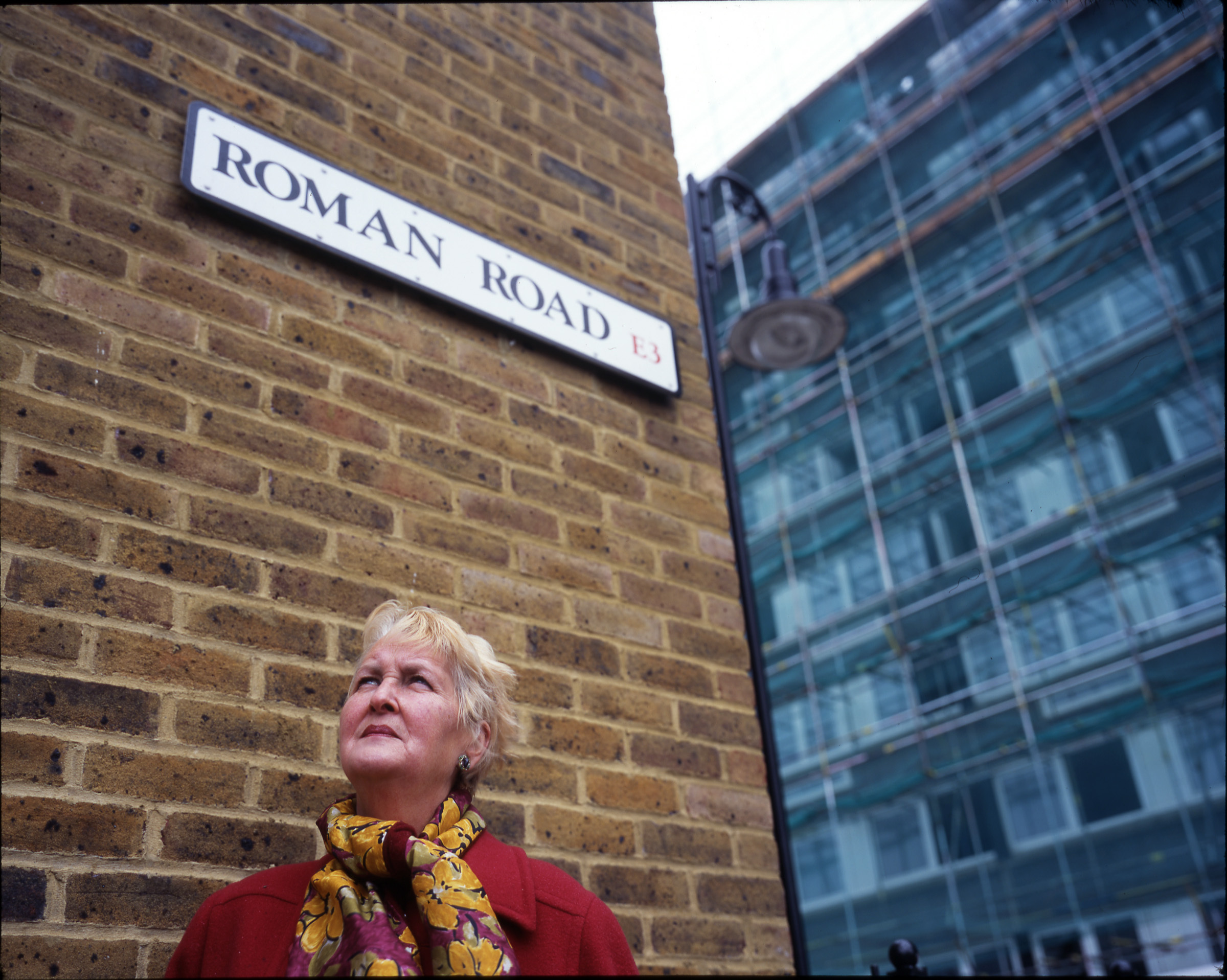
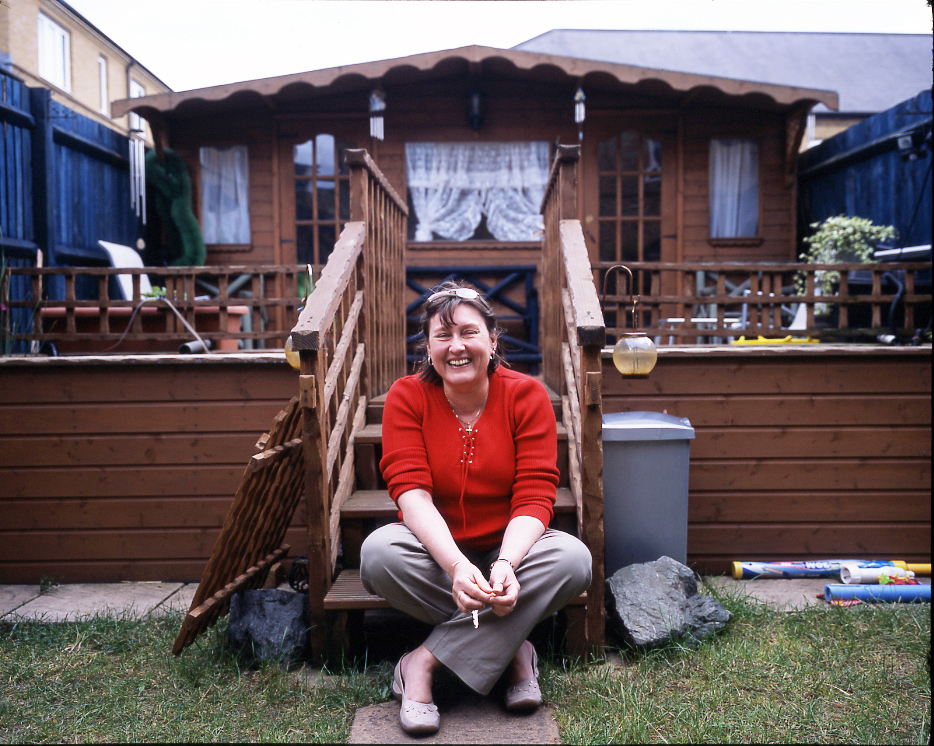
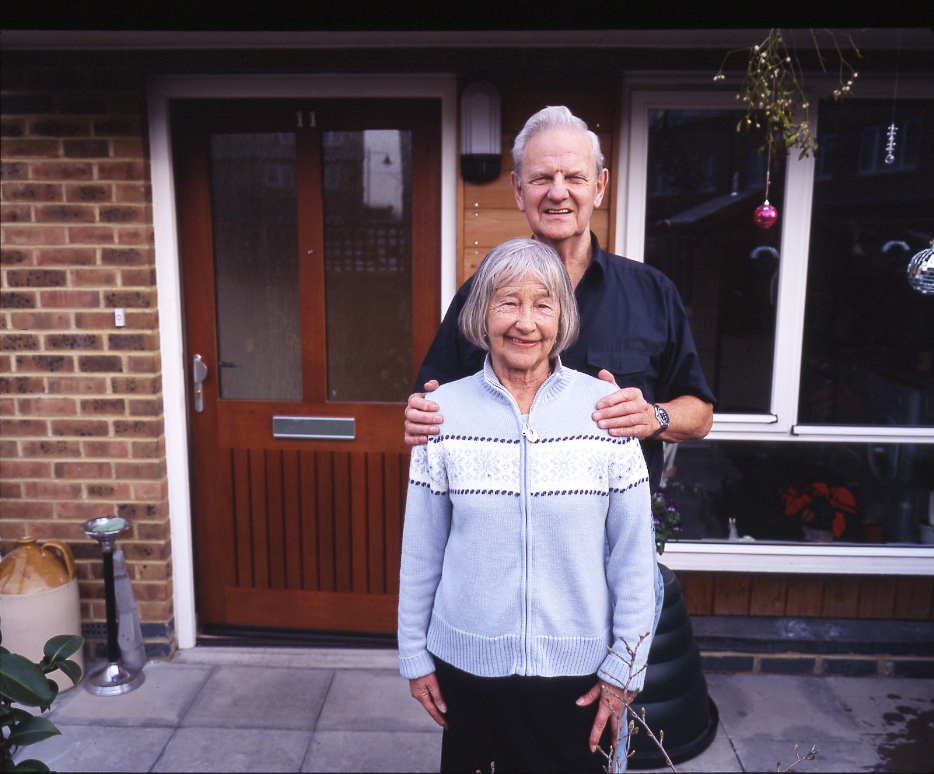
AT PTE our approach has always tended toward the iterative and the conversational. We like to talk – and listen. Change is not something done to communities but undertaken with them. Each project begins with a tailored engagement plan, designed to reach beyond the usual suspects, avoid ‘consultation fatigue’ and, where possible, build the skills and confidence so that residents become collaborators in shaping their neighbourhoods.
In the earlier years, this approach often raised eyebrows - some developers would think that a few banners in a local hall would suffice as engagement! In truth, recognition of the value residents bring has steadily grown since the 2004 introduction of the Statement of Community Involvement. It formalised what PTE had long understood: residents’ voices matter and ignoring them inevitably leads to failures in both design and trust.
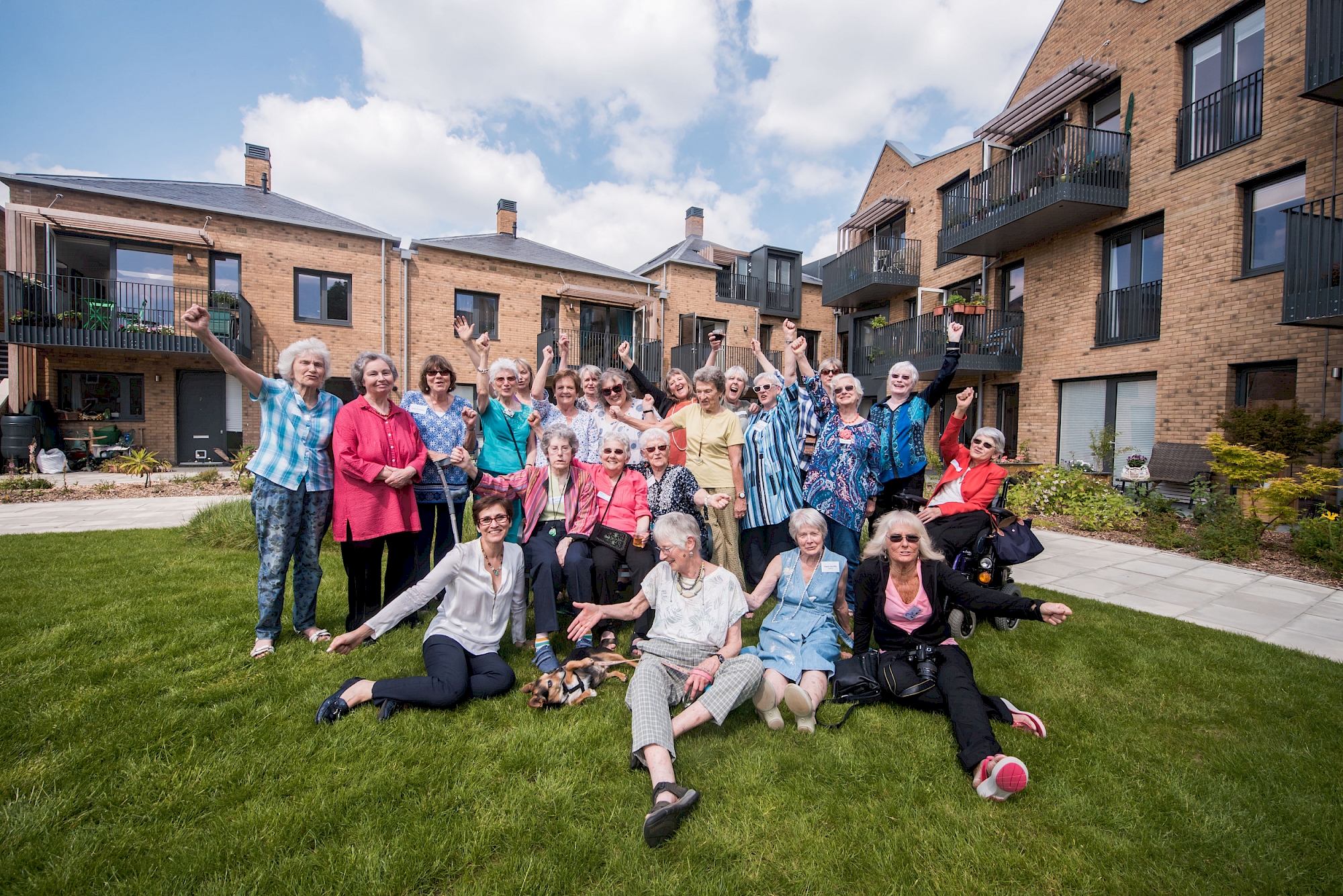
Since then, the practice has continued to favour substantive over symbolic engagement. Sometimes that means full codesign – something we’re doing currently for a housing project in Exeter and which we pioneered at New Ground with the Older Women’s Co‑Housing group in 2010, long before the term became a marketing tag. Sometimes it means coproduction, ballots, or carefully structured workshops. Tbh, the label is secondary. What matters is the commitment to understanding the needs and aspirations of communities, and to letting that knowledge shape the architecture and urban design.